
Blog
What Does 100% Halal Food Really Mean? A Complete Guide for Connecticut Food Lovers

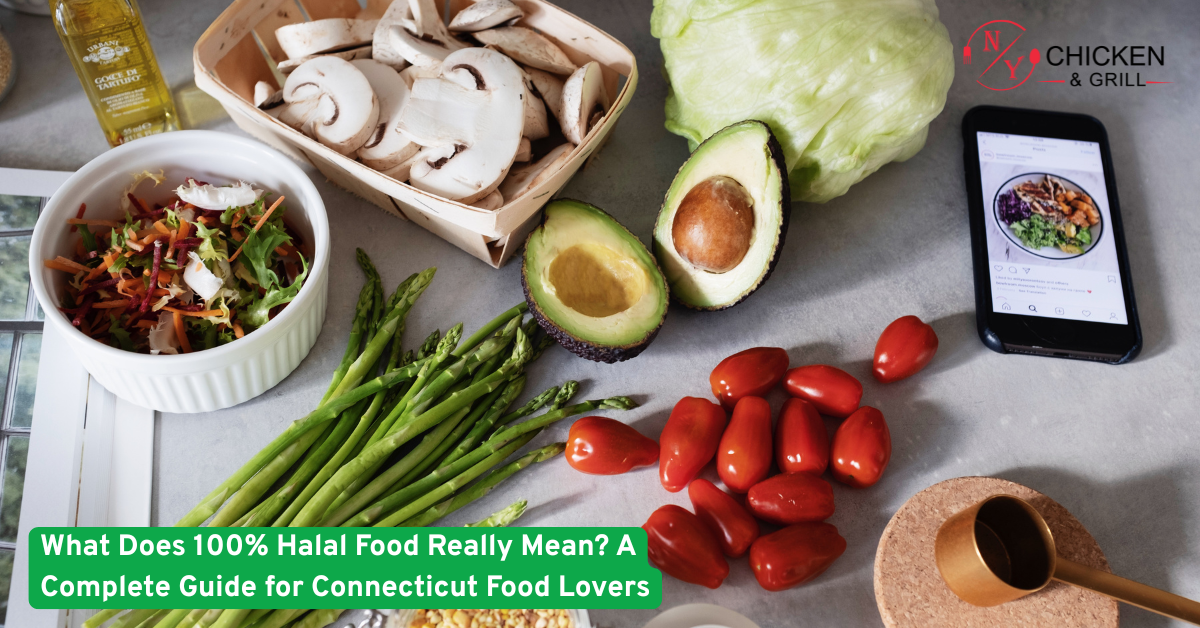
If you think “Halal” is just a dietary label for a specific group, you are missing out on one of the world’s most rigorous standards for food purity, ethics, and flavor. For the modern diner in the Constitution State, understanding What Does 100% Halal Food Really Mean? A Complete Guide for Connecticut Food Lovers is the key to unlocking a higher standard of dining that prioritizes wellness and transparency. You are likely here because you want to know exactly what goes onto your plate and why Halal-certified meats often taste fresher and cleaner. Interestingly, the global Halal food market is projected to reach over $3 trillion by 2028, driven largely by non-Muslim consumers who equate the “Halal” seal with superior food safety and ethical sourcing.
The Core Principles of Halal Certification
At its heart, “Halal” is an Arabic word meaning “permissible.” In the context of the food industry, it refers to items that are prepared following specific Islamic dietary laws. However, for a restaurant to claim it serves “100% Halal,” it must go beyond just avoiding certain ingredients; it must manage an entire supply chain of integrity.
Ethical Sourcing and Humane Treatment
One of the most significant aspects of Halal food is the treatment of the animal. To be certified, animals must be raised in a natural environment, provided with clean water, and fed a vegetarian diet free from hormones or animal by-products. This ethical foundation is a major reason why people looking for What Does 100% Halal Food Really Mean? A Complete Guide for Connecticut Food Lovers often find that the meat has a better texture and a more “natural” taste than mass-produced factory-farmed alternatives.
The Science of Purity
The Halal process involves a specific method of slaughter that ensures the blood is fully drained from the carcass. From a culinary and health perspective, this is vital because blood can act as a medium for bacteria and toxins. By removing it, the meat stays fresher for longer and retains a cleaner flavor profile, free from the “gamey” aftertaste sometimes found in standard commercial meats.
Beyond the Meat: A Holistic Kitchen Approach
A common misconception is that Halal only applies to meat. To maintain a 100% Halal environment, every ingredient in the kitchen must be vetted. This includes:
- Zero Alcohol Policy: No wine or alcohol-based sauces can be used in the cooking process.
- Additive Scrutiny: Chefs must ensure that emulsifiers, enzymes, and gelatins are derived from Halal sources rather than non-permissible ones.
- Cross-Contamination Prevention: A true Halal kitchen maintains strict separation of utensils and surfaces to ensure no contact with non-Halal items.
Why Connecticut Foodies are Making the Switch
Whether you are in East Hartford or New Haven, the local food scene is evolving. People are moving away from processed “mystery meats” and seeking out establishments that can provide a “Farm-to-Table” level of transparency. When you dive into What Does 100% Halal Food Really Mean? A Complete Guide for Connecticut Food Lovers, you realize it is a commitment to the “Tayyib” principle—the idea that food should not only be permissible but also wholesome, pure, and high-quality.
Frequently Asked Questions (FAQs)
- Is Halal food only for religious people? Not at all. While the standards are rooted in Islamic law, the benefits of cleaner meat and ethical sourcing appeal to anyone who values food quality.
- Does Halal meat taste different? Many people find it tastes “cleaner” because the blood is drained, which reduces bitterness and the presence of bacteria-hosting fluids.
- Is “Zabiha” the same as Halal? Zabiha refers specifically to the permissible method of slaughter. While all Zabiha is Halal, the term Halal can also apply to non-meat items like fruits and grains.
- Can Halal food contain dairy? Yes, most dairy products are naturally Halal as long as they don’t contain non-Halal enzymes or additives.
- Why is Halal food often perceived as healthier? The ban on growth hormones, animal by-product feed, and the focus on draining blood leads to a more natural, less processed protein source.
- Does the “100% Halal” label cover the entire menu? In a dedicated establishment, yes. It means every sauce, side dish, and protein meets the certification standards.
- Where can I find reliable Halal food in CT? Look for restaurants that proudly display their Halal certification or have a long-standing reputation within the local community for transparency.
Why Choose NY Grill for Your Next Meal?
When it comes to authentic flavors and uncompromising standards, NY Grill is the name Connecticut residents trust. We don’t just follow the rules; we embrace the spirit of Halal by sourcing the finest Zabiha Halal meats and preparing them with the fire and zest of a classic New York kitchen. At NY Grill, we understand that our customers are looking for a meal that feeds their body and aligns with their values. Our unique selling point is our “No Shortcut” philosophy—from our hand-prepared sauces to our flame-grilled proteins, every bite is a testament to our expertise in the Indo-Pak and American grill tradition.
Savor the Standard of Purity
Understanding What Does 100% Halal Food Really Mean? A Complete Guide for Connecticut Food Lovers allows you to eat with confidence. By choosing a high-standard grill, you are choosing a meal that is ethical, healthy, and undeniably delicious.